



Over the past four decades, organizations of all sizes have seen a significant change in how they do business due to evolving technologies. And now, as we approach the end of the 2010's decade, the term “Digital Transformation" is abound and you might be asking, "Haven't we already done enough transforming?"
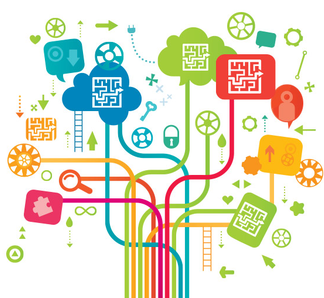
There are so many reasons small- to medium-sized business are moving to the cloud. There is the attractive CapEx vs. OpEx model, scalability which comes with elastic payment strategies, and flexibility. While those business benefits are some of the chief reasons businesses migrate to the cloud, many aren’t taking advantage of the full range of productivity capabilities that are available.
Business Transformation, Security Bulletins & Alerts, IT Solutions & Support, Workforce Enablement
Named for the First Time to CRN's Top 500 Managed Services Providers List
Systems Engineering (SE) announced today that, for the first time, it has been named to CRN®’s 2018 Managed Service Provider (MSP) 500 list. Each year, CRN®, the nation’s leading news source for the IT channel, recognizes the top 500 managed service providers in North America for their cutting-edge approaches to delivering managed services. The MSP 500 list will be featured in the February 2018 issue of CRN and online.

It's no secret that technology is rapidly changing. As such, businesses have to keep up in order to retain good talent and to remain competitive amongst peers and similar organizations. In today's recruiting world, a Millennial (or Generation Y) would think twice about working for a company who expected limited use of the Internet and used old versions of applications with no collaboration capabilities. As a generation that upgrades their smartphones every couple of years, they would expect the same of an organization's network and applications.

The New Year is a great time to revisit your technology strategy. IT Strategy is getting more and more important every year - whether you are a software company who makes a living with technology or someone running a law firm or other small business - technology should be making you better. Far too often, however, we lose sight of our strategy dealing with the day-to-day bustle of running our business while keeping older systems running. The New Year is a great time to step back and revisit the key components of your IT strategy. Here are five strategic IT investments every company should be making in 2018:
Business Transformation, IT Solutions & Support, Workforce Enablement, Cloud Security

There are many benefits to "moving to the Cloud," or adopting "Cloud Courage" as we at Systems Engineering (SE), like to put it. In addition to keeping up with the way in which technology is moving, it's also important to look at benefits such as CSP billing. Throughout this article, I will discuss what CSP billing is, how it works, and the various benefits involved.
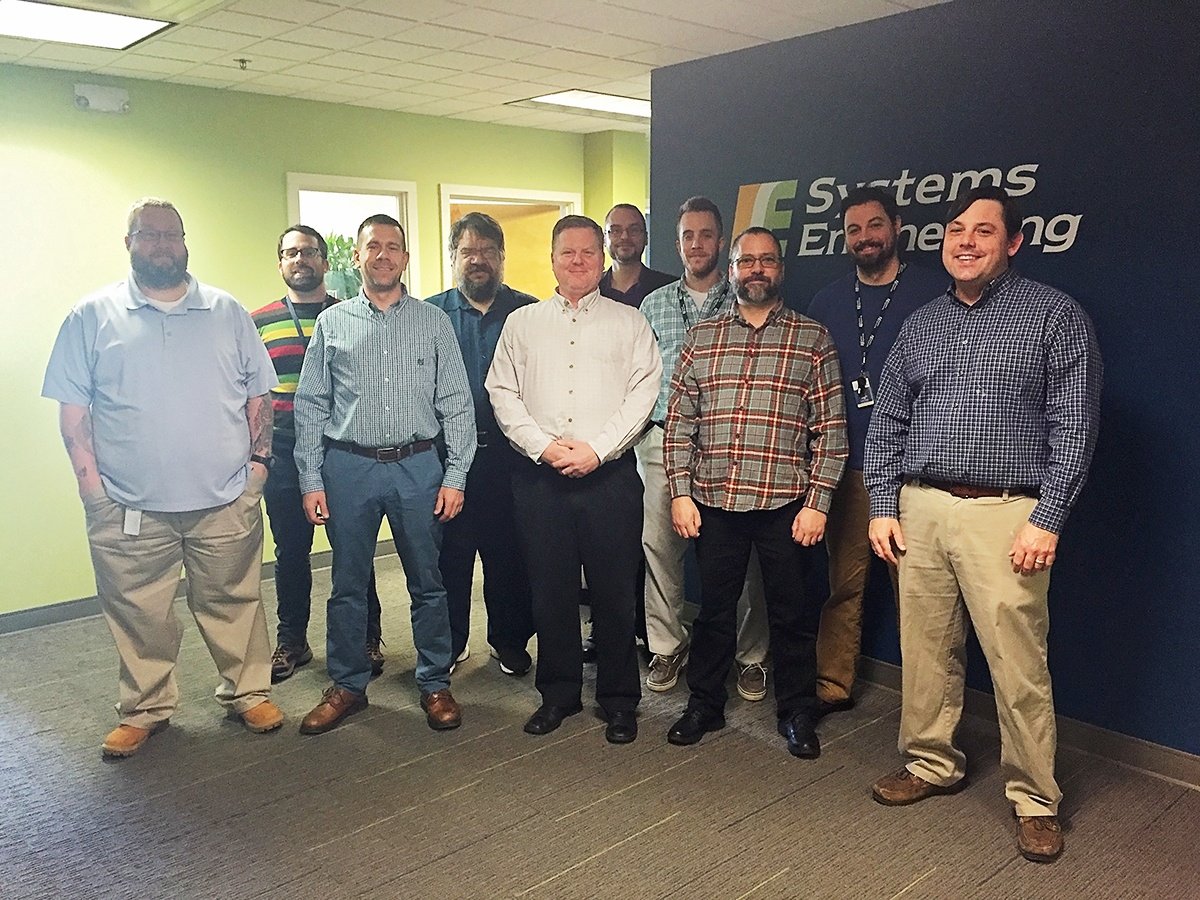
SE Help Desk is here to support the daily needs of our clients and it is no small task. Our team services 121 businesses with approximately 3,850 (+/-) end-users. Each day they work hard to deliver engineering excellence and superior customer service. To achieve this, they focus on providing a high level of service that delivers value in every interaction and results in a positive outcome for the client. To accomplish this outcome, we have outlined some of the SE Help Desk metrics that demonstrate their commitment to improving the end-user experience.
Security Bulletins & Alerts, Announcements, IT Solutions & Support